Saramonic DK4A Reviews: See Why 0 Shoppers Rated It 0 Stars!
Is the Saramonic DK4A microphone stage-ready or stuck in the box? 0 users shared their real takes on these Saramonic microphones — find out what stood out.
 Supermod
 Moderator
 Recaptor
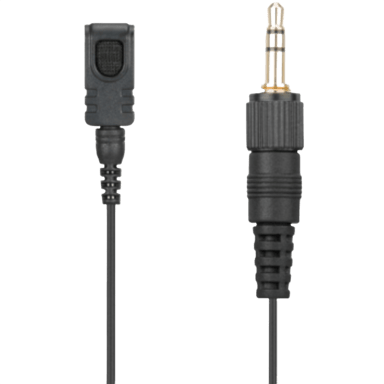
Saramonic DK4A Microphone Review: Professional Lavalier for Broadcast and Video Recording
In the crowded market of broadcast and field recording microphones, the Saramonic DK4A stands out as a targeted solution for professionals seeking clarity and reliability in an omnidirectional condenser lavalier microphone. Released in 2021 and manufactured in China, this wired mic is aimed specifically at those involved in video recording and broadcasting, promising a balance between user-friendly design and solid audio performance.
On paper, the DK4A blends an electret capsule with plug-in power functionality, optimizing it for use with cameras and audio interfaces. With a modest price point around $125, many will wonder whether it lives up to its professional profile or if it falls short against competitors in the same space.
Detailed Specs & Features
Analyzing the intended use, the DK4A is clearly designed for broadcast and video recording applications, which typically demand crisp, consistent audio capture without the bulk of larger microphones. It comes in a compact lavalier form factor with a 0.25-inch width, depth, and height, ensuring minimal weight and unobtrusiveness during shoots.
The 5.9-foot cable length offers flexibility for movement without cumbersome setup changes. Importantly, the mic features an omnidirectional polar pattern, which means it picks up sound equally from all directions, ideal for capturing natural voice tones without having to be precisely positioned.
From an audio perspective, the microphone boasts a frequency range from 20 Hz to 16 kHz, covering the fundamental vocal tones and most overtones needed for clear speech capture. The 58 dB signal-to-noise ratio suggests the mic can maintain clarity above ambient background noise, although the relatively high 24 dB equivalent noise level points to some expected subtle hiss in very quiet recording environments. With a max SPL of 105 dB, it can handle loud spoken or environmental audio without distortion.
The condenser is paired with a transformerless design and an output impedance of 2200 Ohms, indicating compatibility with a wide range of professional equipment while maintaining signal integrity. The mic operates on standard plug-in power, negating the need for internal batteries and simplifying setup.
When it comes to build, the DK4A uses a metal body with a matte finish, lending durability without flashy aesthetics. A pop filter and windscreen are incorporated to reduce plosives and wind noise, which are common issues in field recording. The mic also includes a swivel clip mount to fasten easily on clothing, evidencing attention to practical use cases.
Notably, this lavalier does not have onboard gain control, mute function, or monitoring capabilities, reinforcing its role as a straightforward, no-frills recording tool. Despite lacking advanced DSP processing or AI noise cancellation, it covers the essentials professionally.
User Experience & Performance
Design & Build
In daily use, the Saramonic DK4A's form factor and lightweight design (just 0.03 lbs) make it comfortable for long shoots where mobility is key. The metal construction and matte finish imply an emphasis on durability, suitable for professional environments. The detachable mount and swivel/pivot capability contribute practical versatility, letting users easily adjust positioning.
While it lacks water or dust resistance, users operating in controlled indoor settings or mild outdoor conditions will find this build quality sufficient. It's worth noting the inclusion of extra windscreen and carrying case accessories, adding value for field work.
Performance
Performance-wise, the 20 Hz to 16 kHz frequency response covers the sonic range necessary for professional voice capture, ensuring natural re-creation across vocal registers. The omnidirectional pattern, while excellent for freedom of positioning, sacrifices some off-axis rejection, meaning background noise may occasionally intrude in noisy settings.
The 58 dB SNR coupled with a 24 dB equivalent noise level indicates the microphone performs best in environments without excessive ambient noise, typical of indoor broadcast or studio use rather than uncontrolled outdoor scenes. Its transformerless architecture and 2200 Ohm output ensure compatibility with standard inputs and stable signal transmission.
Audio Quality
Although lacking advanced features like voice isolation or AI noise cancellation, the DK4A relies on its fundamental condenser characteristics and included windscreen and pop filter to maintain clean, intelligible audio. The medium transient response helps it capture natural speech nuances without harshness or softness, while the max SPL rating allows consistent use across various voice intensities; however, the absence of onboard gain control or mute limits real-time adjustments. Overall, the mic promises clear and reliable sound where the environment is reasonably controlled.
Extra Features
Within its intended category, the microphone's lack of additional onboard controls or smart assistant compatibility might seem minimalistic, yet this aligns with its role as a plug-and-play lavalier designed to integrate seamlessly with cameras and audio interfaces. The one-year warranty and certifications, including FCC/CE, RoHS, environmental, and safety compliance, provide reassurance regarding quality and regulatory standards adherence, which is important for professional users seeking dependable gear.
Pros & Cons
Pros
- Clear, natural vocal capture with broad frequency range
- Durable metal body with practical clip mount and accessories
- Broad compatibility with cameras and audio interfaces via standard TRS connection
- One-year warranty and compliance certifications for reliability
Cons
- No onboard gain control, mute function, or headphone monitoring
- A high equivalent noise level may affect performance in very quiet or noisy environments
- Lack of water, dust, or drop resistance limits rugged use
Price & Value for Money
Priced at about $125 at SaramonicUSA.com, the DK4A arrives in the mid-tier segment of lavalier microphones designed for professional broadcast use. Given its one-year warranty and robust safety and environmental certifications, the pricing feels justified for professionals needing reliable wired capability without extra flashy tech.
The absence of onboard features means it's best valued as a straightforward, dependable input source rather than a versatile recording all-in-one. In this sense, creators who specifically want a solid plug-in-power omnidirectional microphone optimized for voice clarity will find the price-performance balance reasonable. However, enthusiasts looking for advanced noise controls or wireless operation would need to look elsewhere.
Quick Take
In short, the Saramonic DK4A presents itself as a no-nonsense, professional-grade lavalier microphone featuring an omnidirectional condenser capsule that caters well to broadcast and video recording requirements. If we look at the numbers alone, its core audio specs and durable build make it reliable for controlled environments, though it lacks the bells and whistles of higher-end competitors. The DK4A offers a clear sound profile at a competitive price point geared toward its niche audience.
Closing Recommendation
The DK4A may be ideal for intermediate to professional users who prioritize straightforward, plug-in power microphone setups for on-camera or audio interface use without requiring advanced controls or battery management. It appears to perform best in studio and quiet field settings where environmental noise is controlled. Overall, the product helps users achieve clear vocal capture with minimal hassle, backed by solid build quality and compliance standards, making it a trustworthy choice in its segment.
Verdict
Rating: Based on the specifications and overall feature set, we believe Saramonic DK4A deserves 4.1 out of 5.
- Winner Feature => Reliable vocal clarity with broad frequency range and omnidirectional pickup.
- Needs Improvement => Limited onboard controls and a relatively high noise floor reduce flexibility in noisy or highly controlled settings.
Reviews 0
The good, the bad, and the brutally honest.Average Rating

More Microphones 1229
Unlock more awesome finds.